


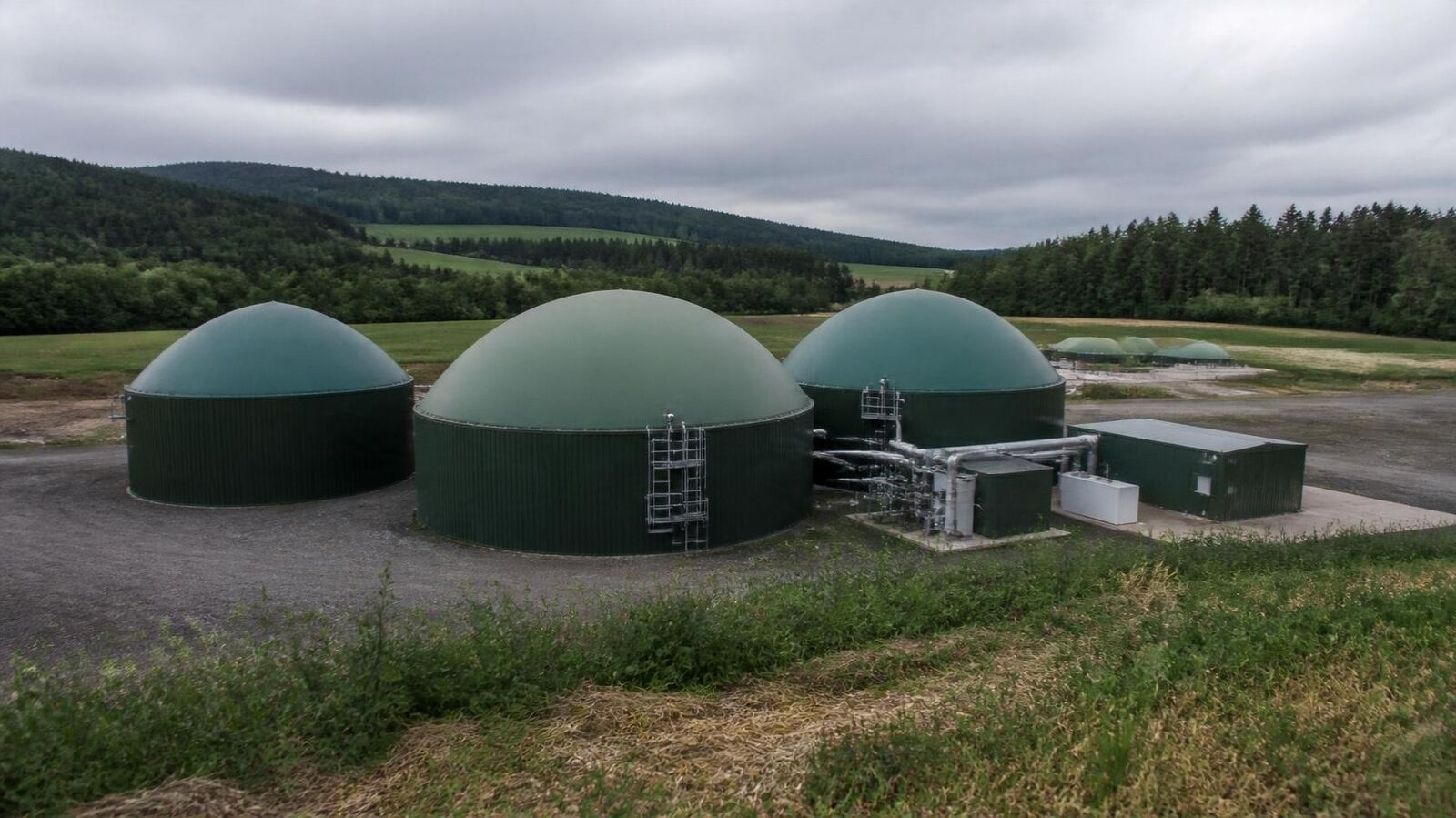
Choosing a pump for a biogas plant: three questions worth asking
At a biogas plant, the pump that feeds the digester and the pump that transfers digestate to storage may handle very different materials. Both duties matter. Inside the digester, microorganisms break down organic matter in the absence of oxygen, producing biogas and leaving behind digestate. Keeping that process running depends in part on feeding the digester consistently and removing material at the required rate.
1. What will actually pass through the pump?
“Food waste” or “manure” is a useful starting description. For pump selection, go a step further. What is the usual dry solids content? How thick does the mixture get? Does it contain long fibres, grit or occasional oversized pieces? Describe the material as it reaches the pump, after any screening, grinding or dilution. A photo of a representative batch, together with the solids data, gives the engineer a much clearer picture of the duty.
2. What flow and pressure will the pump work at?
Consider a plant that needs to transfer 120 m³ per day. If the pump runs for six hours, it must deliver 20 m³/h while operating. If it runs for twelve, the required flow falls to 10 m³/h. The daily volume is identical, but the pump duty changes.
The next step is to establish the suction conditions and the pressure needed to move the material through the pipework. For thick, pumpable slurries, a progressive cavity pump is one option worth evaluating. When comparing proposals, ask for the expected electrical input at your specified flow and pressure. Once the pump is in service, dividing the electricity consumed by the volume transferred gives you a practical measure to track: kWh per cubic metre pumped.
Worked example
- 120 m³ per day
- 6 hours of operation: 20 m³/h
- 12 hours of operation: 10 m³/h
Same daily volume, different pump duty.
3. What happens when the flow begins to fall?
A pump can sound normal even as its output declines. Recording flow alongside suction and discharge pressure gives the maintenance team a reference for investigating a restriction or worn components. Access matters at that point. On our progressive cavity pumps, four inspection ports provide access to the suction body and Cardan joints, while the EDS quick-disassembly system simplifies servicing.
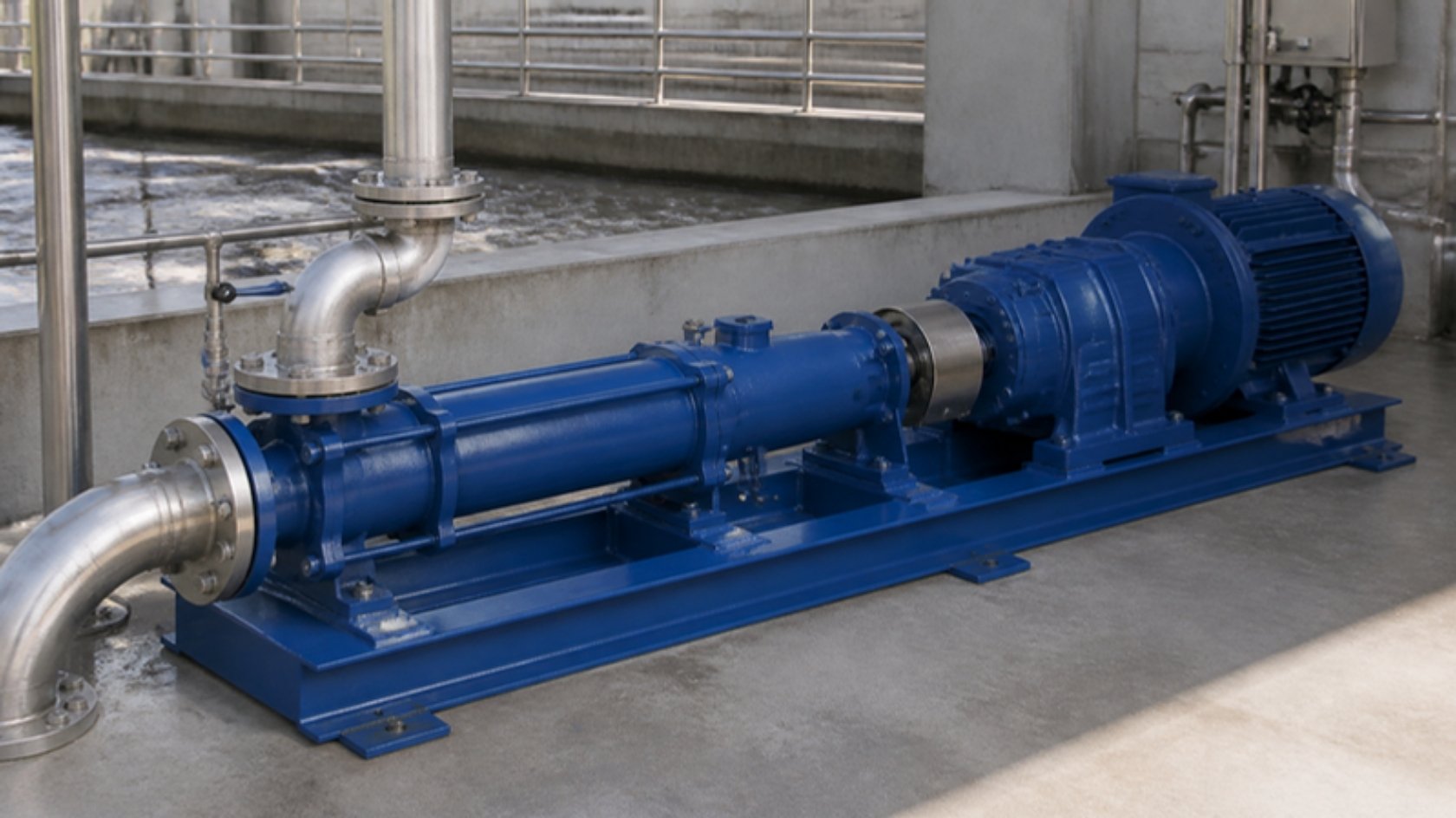
Planning a digester feed or digestate transfer line?
Explore our progressive cavity pump range and share your feedstock, required flow and pipework details with our team.
- Company
- Turoteknikk Drift AS
- Address
- Hildertunet 2, 1341 Slependen
- Phone
- 67 80 63 00
- mail@turoteknikk.no
