


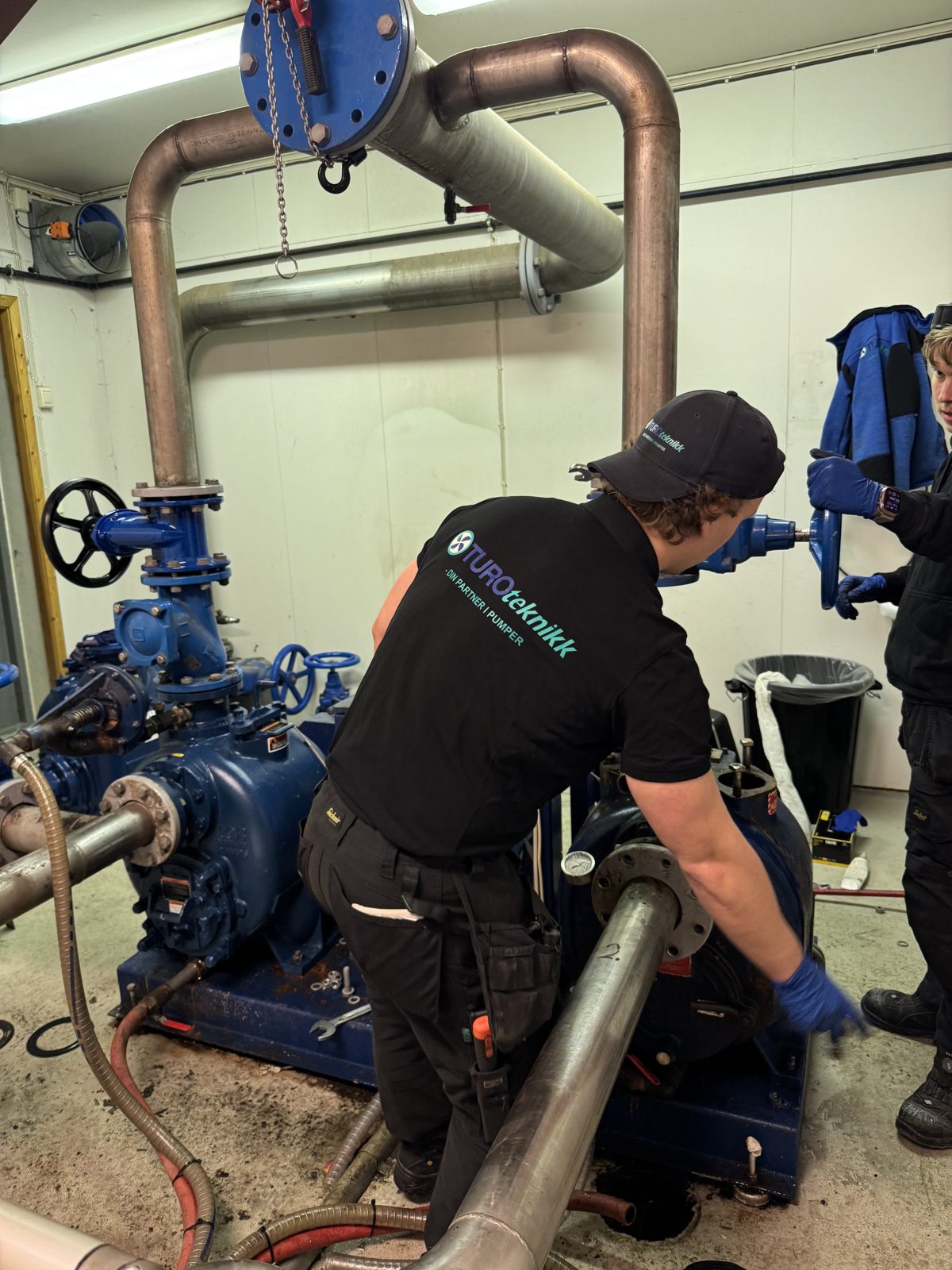
Which pump is used for raw sewage or sludge?
In the realm of sewage and sludge management, the selection of the right pump stands as a critical decision. The efficiency, reliability, and durability of pumps significantly impact the overall effectiveness of handling raw or untreated sewage and sludge.
Which pump is more suitable to handle raw sewage?
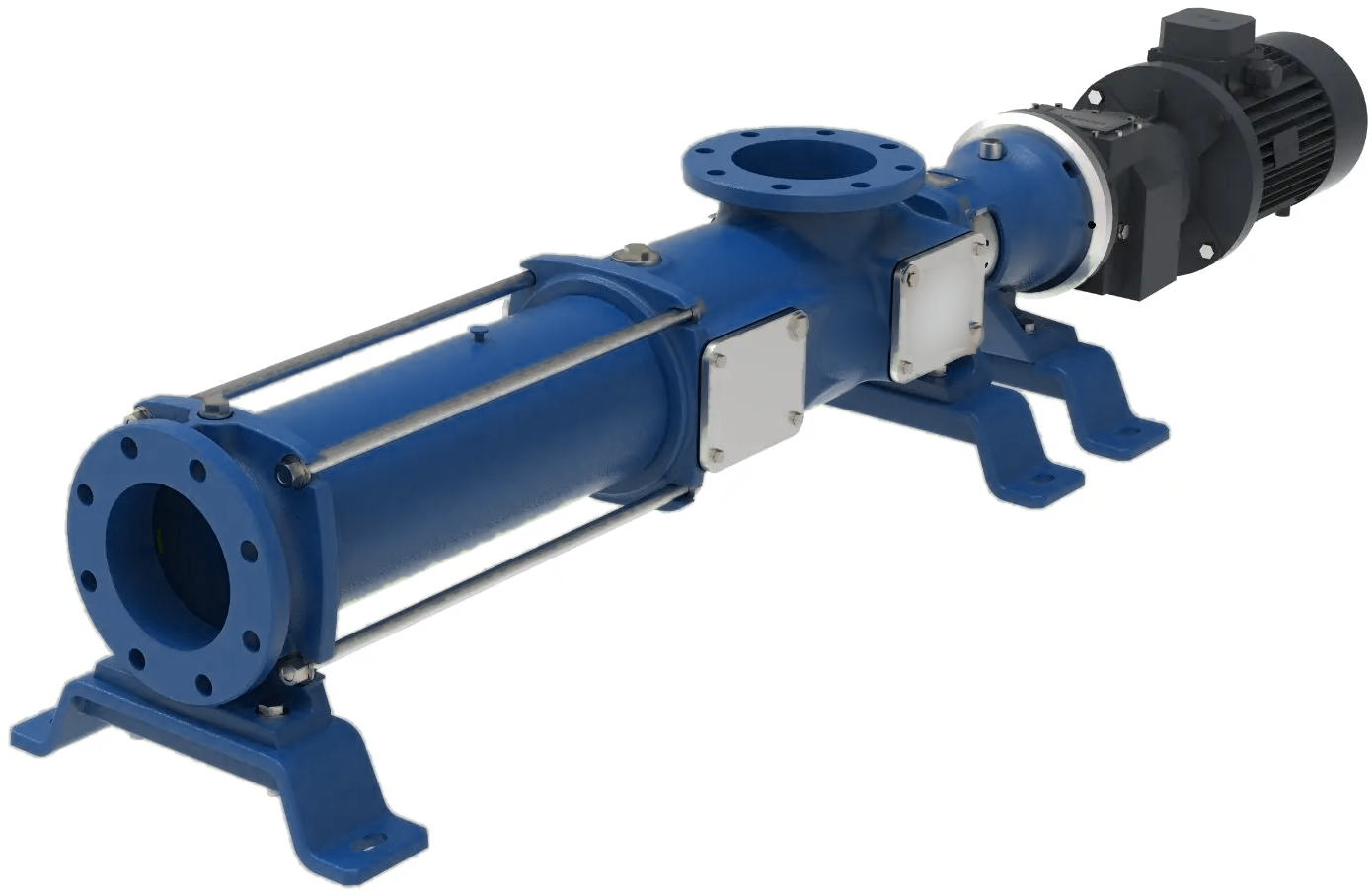
Centrifugal pumps for raw sewage handling
Centrifugal pumps are commonly used in wastewater applications to transfer sewage and treated effluent. However, their efficiency might diminish if dealing with exceptionally high solids content or abrasive particles.
Submersible pumps in raw sewage applications
Submersible pumps are frequently utilized for raw sewage handling as they are installed directly within the sewage or wastewater. They are ideally suited for pumping out sewage and wastewater from septic tanks. Their hermetically sealed construction prevents fluid and gas leakage, making them ideal for areas prioritizing safety and containment.
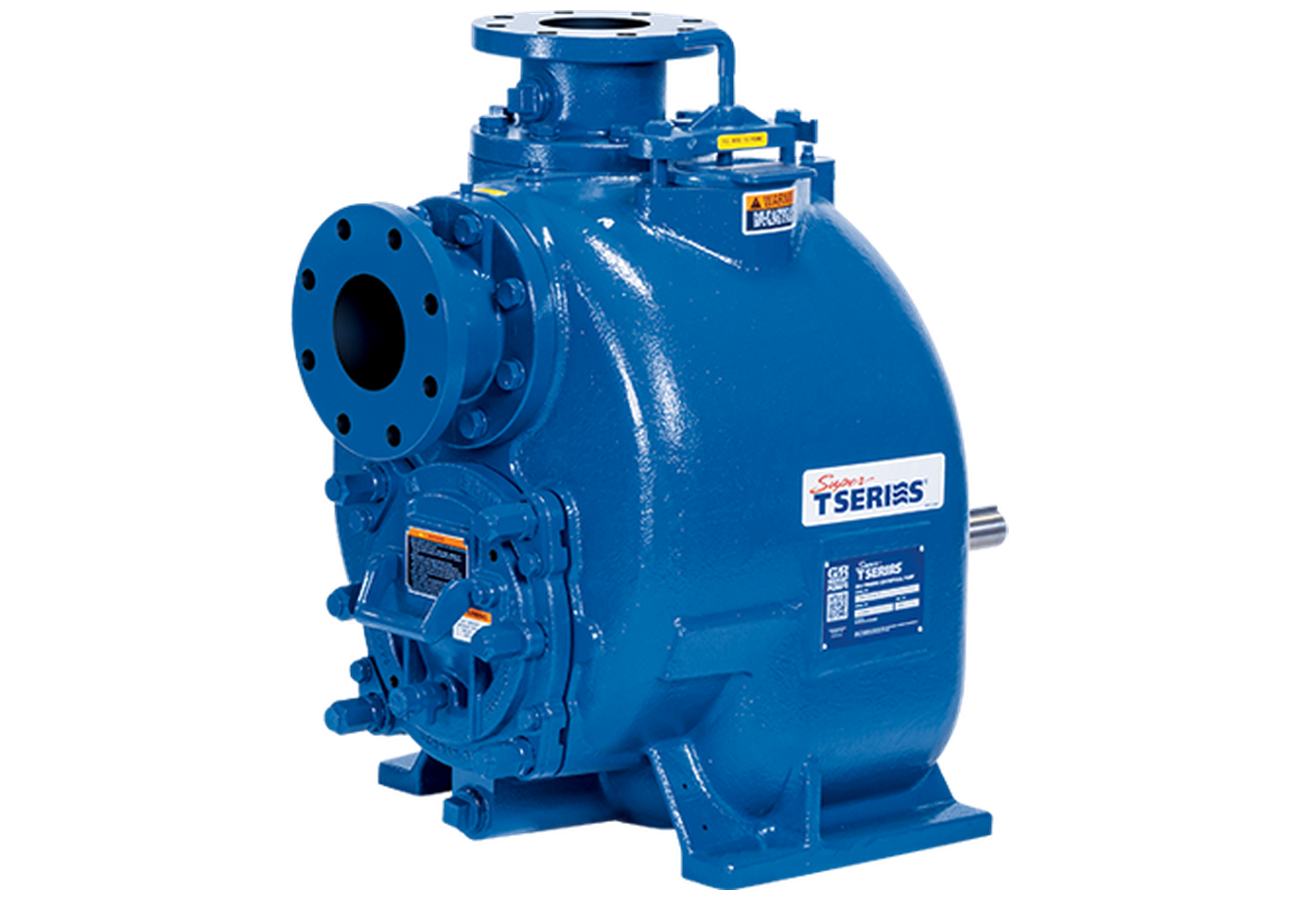
Progressive cavity pumps in raw sewage management
Progressive cavity pumps are also employed in raw sewage handling, particularly for high-viscosity fluids and solids-laden sewage. These pumps consist of a helical rotor moving within a stator, creating a continuous flow while effectively managing solids. Known for handling shear-sensitive materials without compromising sewage consistency, progressive cavity pumps are suitable for applications where maintaining the structure of the sewage is crucial.
All in all, progressive cavity pumps are a great choice for thickened liquids such waste activated sludge because of their exceptional skill in moving abrasive and viscous fluids.
Power source and energy efficiency
Understanding the power source available—electricity, gasoline, diesel, solar, or manual operation—affects pump selection. Energy-efficient pumps that match the power source and provide the required output while minimizing energy consumption are often preferred for cost-effectiveness and environmental reasons.
Maintenance and durability of the progressive cavity pumps
Evaluating the pump’s maintenance requirements and durability is crucial for long-term reliability. Opting for pumps with robust construction, easy maintenance features, and a reputable track record of reliability can reduce downtime and maintenance costs over time.
Considerations for choosing the right biogas pump
Challenges of biogas handling
Biogas, a renewable energy source produced through the anaerobic digestion of organic matter like sewage and sludge, needs specialized biogas pumps for efficient handling. When selecting a pump for biogas applications, several critical aspects need attention. Firstly, biogas often contains corrosive elements like hydrogen sulfide and moisture, posing challenges for equipment durability. Pumps intended for biogas handling must be constructed with materials resistant to corrosion and designed to withstand these harsh conditions.
For biogas applications, a robust high-pressure digester pump that can handle solids without clogging is required. Certain pump types—centrifugal pumps, for example—perform poorly with heavier fluids because internal frictional losses cause flow rates to drop off quickly. On the other hand, progressive cavity pump designs perform well in these circumstances. Selecting the incorrect pump for managing viscous biowaste can lead to costly, frequent wear and clogging.
Prioritizing energy efficiency in biogas pumps
Energy efficiency is paramount in biogas applications to minimize operational costs and reduce environmental impact. Selecting biogas pumps with high-efficiency motors and optimized designs contributes to lower energy consumption while maintaining superior performance, aiding in substantial cost savings over the pump’s lifecycle.
Emphasis on safety and compliance in biogas pumps selection
Moreover, biogas pump selection involves considering the system’s safety and compliance with industry standards. Pumps must adhere to stringent safety protocols and regulatory requirements to guarantee operational safety and environmental responsibility.
In short, selecting the right pump for raw sewage or sludge management is crucial. Turoteknikk is happy to help you find the pump that suits your plant.
Need help choosing a pump?
Tell us about your fluid, flow and plant, and we will help you choose the right pump.
- Company
- Turoteknikk Drift AS
- Address
- Hildertunet 2, 1341 Slependen
- Phone
- 67 80 63 00
- mail@turoteknikk.no
